How Doppler Ultrasound Machines Revolutionize Medical Diagnostics | Advanced Imaging Solutions_30
How Doppler Ultrasound Machines Revolutionize Medical Diagnostics
Doppler ultrasound machines have become indispensable tools in modern medical diagnostics, offering non-invasive imaging solutions for various conditions. These advanced devices utilize the Doppler effect to measure blood flow velocity and direction, providing crucial information for diagnosing vascular and cardiac issues. This article explores the technology behind Doppler ultrasound machines, their clinical applications, and what to consider when purchasing this essential medical equipment.
Understanding Doppler Ultrasound Technology
Doppler ultrasound machines work by emitting high-frequency sound waves that bounce off moving blood cells. The frequency shift (Doppler effect) of the returning waves allows the machine to calculate blood flow speed and direction. Unlike conventional ultrasound, Doppler technology specifically evaluates blood movement through vessels and the heart, making it invaluable for detecting circulatory problems.
Key Benefits of Doppler Ultrasound Machines
These devices offer numerous advantages in medical diagnostics. They provide real-time imaging without radiation exposure, making them safe for repeated use. Doppler ultrasound machines can detect blood clots, arterial narrowing, and valve abnormalities with high accuracy. Their portability allows for bedside examinations in emergency situations, and they significantly reduce diagnostic costs compared to alternatives like MRI or CT scans.
Clinical Applications of Doppler Ultrasound
Doppler ultrasound machines serve multiple specialties. In cardiology, they assess heart valve function and congenital defects. Vascular specialists use them to diagnose deep vein thrombosis and peripheral artery disease. Obstetricians monitor fetal circulation, while neurologists evaluate carotid arteries for stroke risk. These machines also guide surgeons during vascular procedures and help monitor transplanted organs.
Types of Doppler Ultrasound Machines
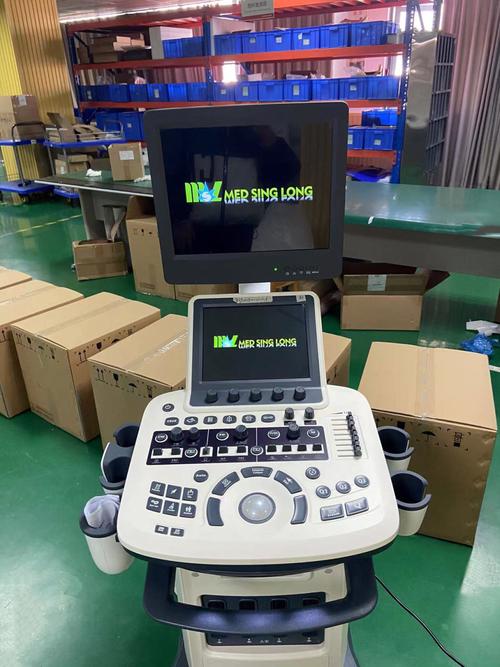
Modern Doppler ultrasound systems come in several configurations. Continuous wave Doppler provides simple blood flow assessment, while pulsed wave Doppler allows examination of specific vessel segments. Color Doppler adds visual flow mapping, and power Doppler enhances sensitivity to slow flows. Portable units offer flexibility for point-of-care diagnostics, while high-end cart-based systems deliver superior imaging for complex cases.
Choosing the Right Doppler Ultrasound Machine
When selecting a Doppler ultrasound machine, consider your clinical needs and patient volume. Key features to evaluate include transducer options, imaging resolution, Doppler sensitivity, and software capabilities. Workflow efficiency, ease of use, and service support are equally important. Our company offers a range of high-quality Doppler ultrasound systems tailored to different medical specialties and budget requirements.
Frequently Asked Questions
What conditions can a Doppler ultrasound diagnose?
Doppler ultrasound effectively detects blood clots, arterial blockages, varicose veins, aneurysms, and heart valve problems.
Is Doppler ultrasound safe during pregnancy?
Yes, Doppler ultrasound is completely safe for both mother and fetus, with no known risks from the sound waves used.
How long does a Doppler ultrasound exam take?
Most examinations take 30-60 minutes, depending on the area being studied and the complexity of the case.
What's the difference between color Doppler and power Doppler?
Color Doppler shows flow direction and velocity, while power Doppler is more sensitive to detecting flow, especially in small vessels.
Can Doppler ultrasound replace other imaging tests?
While extremely valuable, Doppler ultrasound often complements rather than replaces other imaging modalities, depending on the clinical scenario.
Conclusion
Doppler ultrasound machines represent a critical advancement in medical imaging, offering safe, accurate, and cost-effective diagnostic capabilities. As technology continues to evolve, these devices will play an increasingly important role in patient care. Contact our team today to learn how our Doppler ultrasound solutions can meet your clinical needs.